

The most valuable thing created during production may no longer be the finished asset. It may be the record of how that asset came into being.
That sounds like a metadata argument until you follow it into the production stack.
The Misread
The conversation about synthetic production has been stuck at the surface for almost three years now. In 2023, the joke was Will Smith eating spaghetti in a ModelScope clip that looked like a melting wax figure. In February 2026, Seedance 2.0 turned the same basic gag into something uncomfortably photorealistic, while a fake Tom Cruise versus Brad Pitt fight went viral off a minimal prompt. The reaction arrived fast. Disney and Paramount sent cease-and-desist letters. The Motion Picture Association followed. SAG-AFTRA condemned the tool. A month later, two U.S. senators asked ByteDance to shut Seedance down. Rhett Reese, a co-writer of Deadpool & Wolverine, looked at the same moment and wrote that it was likely over for them. Then came the familiar argument about whether a model can replace the crew, the cinematographer, the colorist, the editor. All of it still lives at the level of the image.
That conversation matters. The political and economic questions raised by AI-generated imagery are not going anywhere. But the conversation has been so dominated by what comes out of the pipe that very little attention has gone to what builds up inside it.
The Inheritance Shift series argued that media systems were not designed to preserve context across transformation. The Control Layer arc picks up where that diagnosis ends. Once systems begin trying to preserve context, the question is where leverage accrues. This piece starts where production starts.
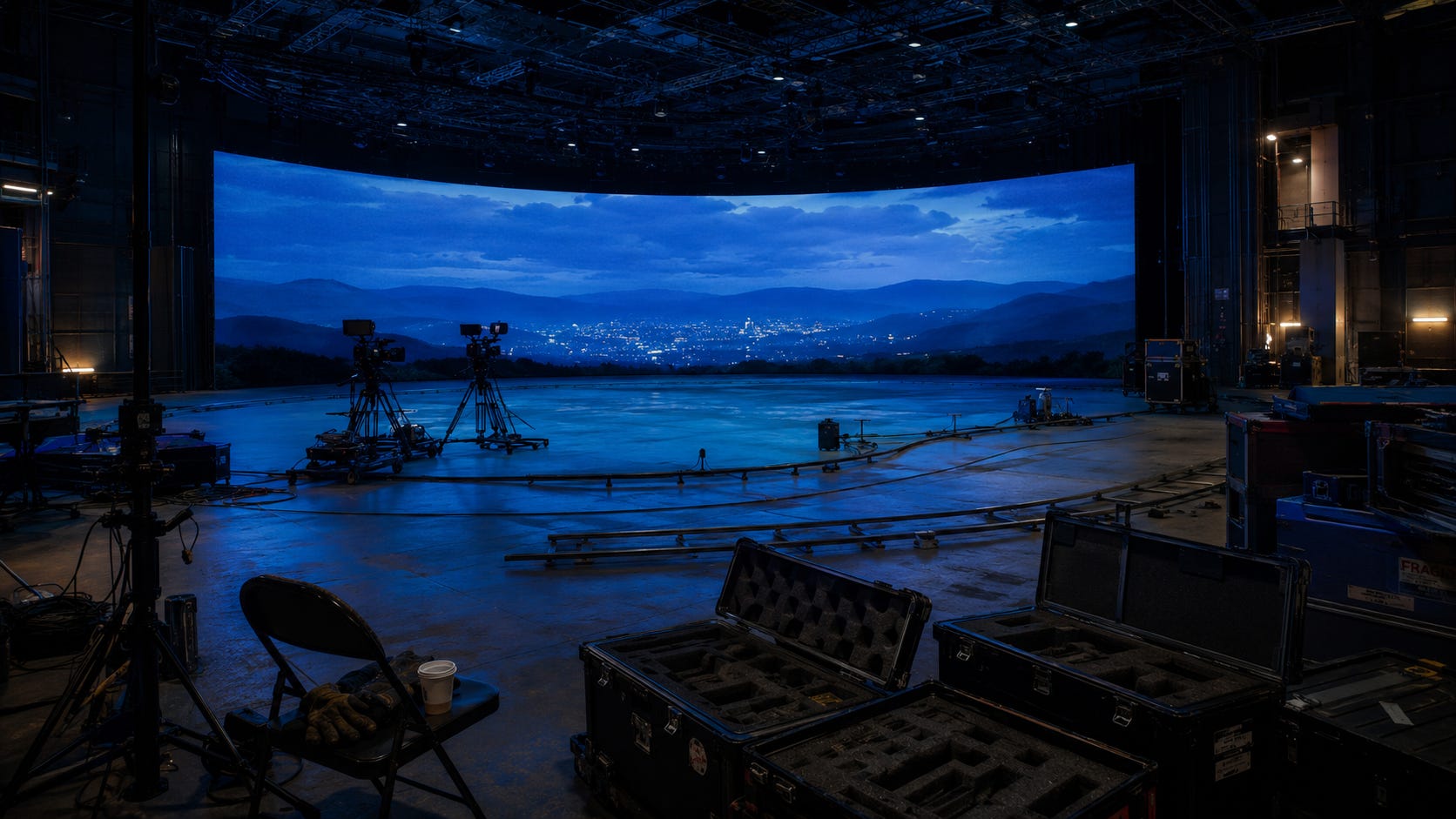
Synthetic production is being misread as an image-generation story. It is becoming a data-capture regime. The shift is not what the cameras and the models can produce. It is what the environment around the cameras and the models can record. The image is what leaves the building. The state, the structured record of how it was made, is what stays behind. And in synthetic production, the state may become the more durable source of leverage.
Where the Work Happens
A definitional pause before going further. Synthetic production lives in two layers.
The models are the engines. Seedance 2.0 from ByteDance was the recent flashpoint. Sora 2 from OpenAI had its moment before OpenAI wound the product down. Veo 3 from Google, Kling 3.0 from Kuaishou, Runway Gen-4, MiniMax Hailuo, Wan from Alibaba, and whatever replaces this list next month all sit in the same unstable model layer. Each has distinct strengths, distinct weaknesses, and a distinct rights posture. They change places on the leaderboard almost monthly.
The platforms are where creatives actually work. Some are made by the model makers and keep the user inside their own ecosystem. Google Flow is the cleanest example, an end-to-end creative environment built around Veo and Google’s supporting image and language models. The model makers want creatives inside their own tools because that is where workflows lock in and the data feedback loop tightens.
Most working creatives are picking a different surface. Independent platforms like Higgsfield, Krea, and Freepik aggregate multiple models inside a single workspace. A creative on Higgsfield can run the same shot through Seedance, Veo, Kling, and Sora, compare the outputs, and pick which engine fits the job. The model landscape moves too fast to bet on one provider, and these platforms know it. Their pitch to the working class of synthetic production is the one independent producers have always responded to: keep your options open.
The point worth holding onto is structural. When this essay says “production environment,” it usually means the platform layer, not the model. The platform is where the references go in, where the version history is built, where the rights conditions are configured, where the approval paths run. The data the environment captures is data the platform sees first.
