

The usual story about leverage in media and technology is a story about money. Whoever can fund the build sets the rules. This week offered four negotiations that point somewhere else. In each one, a party holding a capability that is hard to replace named the conditions it wants, and those conditions were about control rather than price.
Disney’s anticipated demand pushed Cinemark to accelerate upgrades on roughly 200 auditoriums to a spec Disney wrote. TSMC told Elon Musk that any role it takes in his Texas fab requires TSMC to run the line. Anthropic told IPO investors it had materially cut back distillation, a revenue line worth 5 to 7 percent of sales, because of what those customers were extracting. And Character.AI, which lost its founders and much of its research team to Google two years ago, filed for bankruptcy with a $20 million Disney offer setting the floor for an auction.
These are not four versions of one deal. A studio, a foundry, a model lab and a bankrupt chatbot company face different markets and different pressures, and none of these positions has yet been accepted by the other side. What they share is narrower. Each shows what a party is trying to protect or obtain, and what it is using to get there. The fourth shows a company entering a sale after several pressures arrived at once, one of which was losing the people who built it.
Disney writes a spec and theaters choose to meet it
Source: Bloomberg, October 9, 2026
Disney has met with Paramount Pictures, Universal, Lionsgate and Sony about using Infinity Vision to market their own films, Bloomberg reported. Infinity Vision is the premium large-format certification Disney announced at CinemaCon on April 16. It is not a format, and Disney owns no equipment in the program. It certifies existing auditoriums that meet a rubric Disney sent theaters over the summer, with screens at least 45 feet wide, 7.1 surround and 14 foot-lamberts of brightness. Roughly 5,500 screens worldwide qualify, about three times the IMAX footprint. Exhibitors keep their own brands, such as AMC’s XL, Cinemark’s XD and Dolby Cinema, and Disney adds marketing on top.
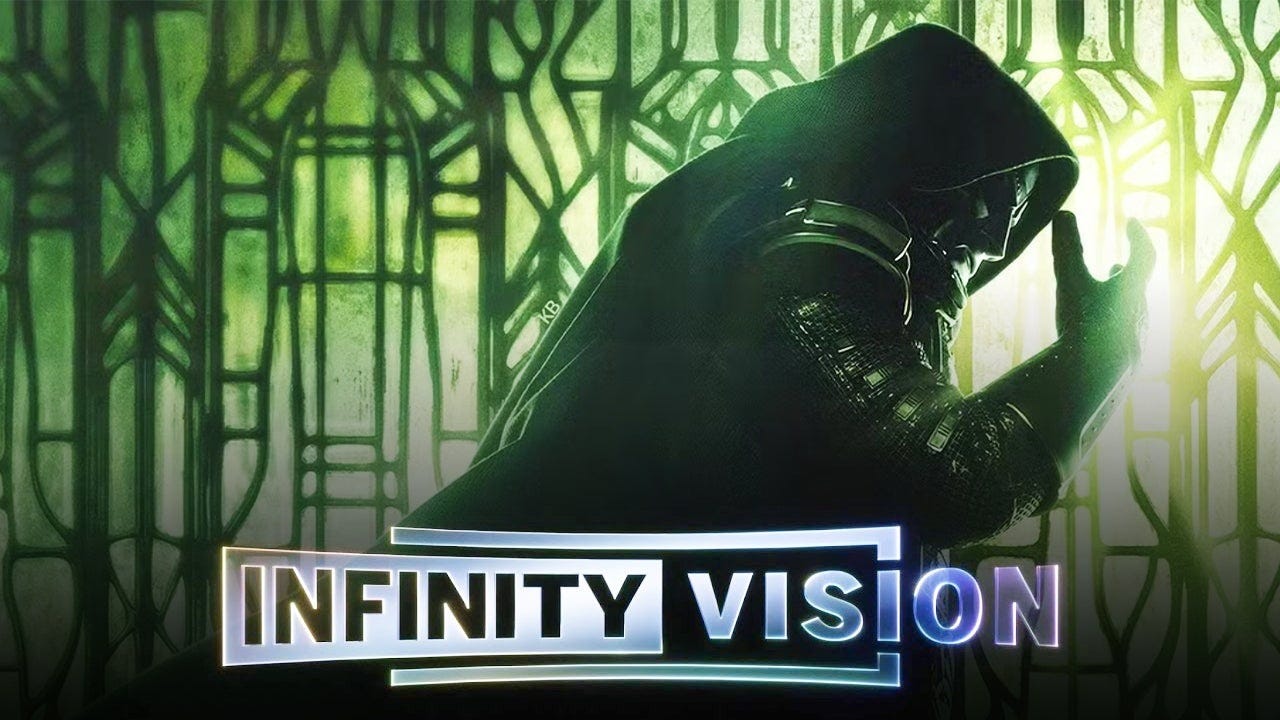
The program grew out of a scheduling conflict. Disney moved Avengers: Doomsday from May to December, into a corridor where IMAX had already committed its screens to Warner Bros. and Legendary’s Dune: Part Three, TheWrap reported. The first test, the Avengers: Endgame Encore reissue, took 52 percent of its ticket sales in Infinity Vision formats. In the same reporting, Cinemark said it is upgrading about 200 standard auditoriums to XD, mostly by moving from 5.1 to 7.1 sound, and folded the work into its summer capital budget to finish before Doomsday opens December 18.
Why it matters
Disney is helping exhibitors market capacity they already own, and exhibitors gain another route to premium demand. Nothing in the reporting gives Disney fees, exclusivity or the right to revoke a certification theaters depend on. What Disney brought was demand, a tentpole with 70 percent of its early presales coming from premium formats. That anticipated demand was enough to change the timing and scope of one chain’s capital plans, and Cinemark said as much. The rooms remain the exhibitors’, and they will serve every other studio’s releases too.
The next question belongs to the other studios. If Paramount, Universal and Sony adopt the label, Infinity Vision becomes an industry-wide certification written by one studio. Whether moviegoers actually choose by it, while exhibitors keep their own brands, is a separate test. The studios are waiting for the Doomsday numbers before deciding, and one of them, Paramount, now sits inside the same company that owns Dune‘s studio.
TSMC names its condition
Source: Tom’s Hardware, October 15, 2026
TSMC chief executive C.C. Wei confirmed on Thursday’s earnings call that the company is evaluating Texas for U.S. expansion beyond Arizona, and that it is in talks with Terafab, Elon Musk’s planned chipmaking complex, about using some of its capacity. Wei was explicit about the condition. Either arrangement remained possible, he said, but the fab has to be run by TSMC. Musk has said Terafab will operate its own facility and that TSMC could at most sublease part of the cleanroom. No financial terms have been disclosed, and the two positions have not been reconciled.
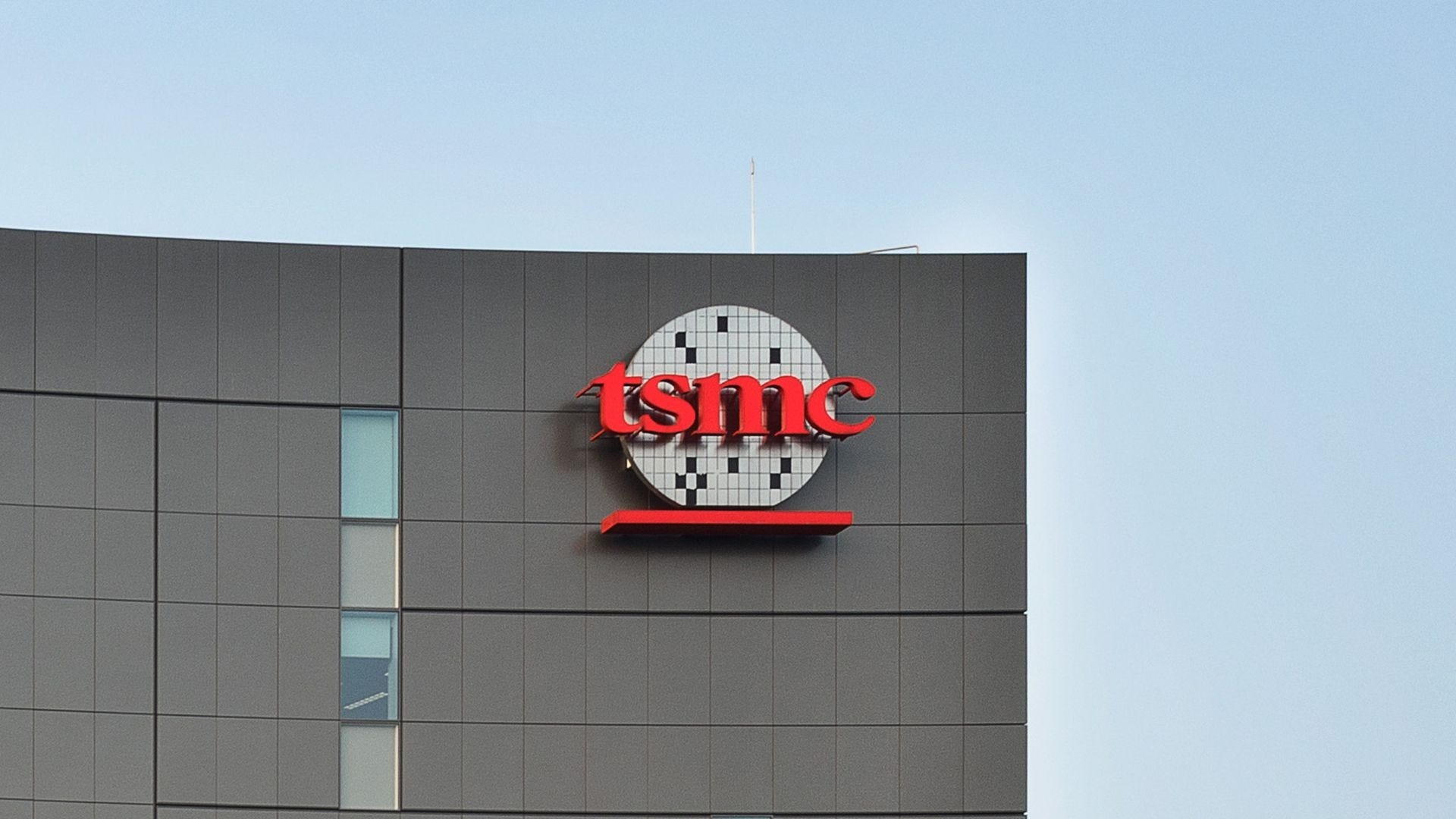
The talks surfaced on the same call where TSMC reported a sixth straight quarter of record profit on AI chip demand.
Why it matters
Much of what would decide the outcome is not public. Who would own the equipment, how cleanroom space, equity and subsidies would be split, and whether TSMC’s authority would cover a production area or the whole complex are all unknown. What is public is TSMC’s requirement. Musk brings land, capital and a fab under construction. TSMC brings process, yields and the operating discipline that makes leading-edge silicon come out the other end, and it has stated operating control as a condition of taking part.
TSMC’s existing joint ventures in Dresden and Kumamoto pair operation with majority ownership. Musk has said he wants to keep both ownership and operation of Terafab. How those two positions meet, once the financial terms are on the table, will show what each side values most.
Anthropic cuts off extraction in the quarter that counts
Source: Financial Times, October 14, 2026
Anthropic told prospective IPO investors that third-quarter revenue rose 45 percent to $16.8 billion and that it was profitable on an adjusted basis, the FT reported. The same briefing included a smaller disclosure. Distillation, in which rival developers query Claude at scale and train their own models on the outputs, accounted for 5 to 7 percent of revenue, according to four people with direct knowledge of the matter. Anthropic told investors it had cut that activity back materially in the third quarter, the FT reported, and The Decoder reported that the company expects a further effect on the current quarter.
Anthropic’s own October 12 account describes the activity as covert, industrial-scale extraction, much of it through fraudulent accounts. It says new defenses cut what distillers can harvest by 90 to 99 percent, at the cost of turning away some paying traffic and adding friction for legitimate users, and it acknowledges it cannot say how long the defenses will hold. The disclosure came as quarterly growth slowed from more than doubling to 45 percent and AI stocks sold off worldwide.
Why it matters
The figure is an estimate of historical revenue exposure, not a measured loss, and the full effect will show up in quarters Anthropic has not yet reported. Even so, Anthropic put a revenue figure on enforcing its access terms, and it did so in the quarter most scrutinized by the investors it needs.
Tenants at the Frontier looked at the access tiers labs are building around their top models. This is the enforcement side of the same architecture. What the distillers were paying for was the ability to reproduce the model’s quality elsewhere. Anthropic concluded that protecting what makes the model hard to replace was worth more than the traffic. The extractors were customers by usage metrics and competitors by intent, and the lab chose to treat them as competitors.
Character.AI goes to auction
Source: TheWrap, October 13, 2026
Character.AI filed for Chapter 11 in Delaware to pursue a court-supervised sale, listing assets and liabilities each between $50 million and $100 million. Disney is the stalking-horse bidder, offering $20 million for a non-exclusive, perpetual license to certain Character.AI intellectual property and claims, plus transition services from former staff it has already hired. The offer sets a floor that higher or better bids can beat, subject to the court. Disney sent the company a cease-and-desist in September 2025 and last month hired its former chief executive, Karandeep Anand, as Disney’s first chief technology officer. The company says the platform will be wound down if no sale provides for continued operations.
The filing documents several pressures at once. Chief executive Colin Adams cited legal, regulatory and operational headwinds, including lawsuits over teen self-harm that the company agreed earlier this year to settle, and the costs of age restrictions and harm detection. On the operating side, the filing shows the company spent $13.8 million a month on compute in 2024 and $10 million a month in 2025, against subscription revenue that peaked at $2.8 million a month and total revenue that never passed $5.3 million, 404 Media reported.
Why it matters
In 2024 Google paid roughly $2.7 billion for a non-exclusive license to Character.AI’s technology and to hire its founders and about 30 researchers. Character.AI kept the right to use what it had built, but not most of the people building what came next, and it later moved to third-party models. One reading is that losing that research capacity narrowed its options as compute costs and legal exposure mounted. The filing documents the pressures, not their ranking, and the departures are one of several. Its rival Chai, which faces the same compute math, told Reuters’ Artificial Intelligencer newsletter this week that it deliberately shed users who cost more to serve than they bring in.
The $20 million and $2.7 billion figures cover different rights and different people, so the gap is not a measure of decline. A distressed company drawing a modest opening bid does not, by itself, show that what remains is replaceable. The auction will test that. Higher or better offers can still arrive, and the court, not the opening bidder, will decide the outcome.
What each side is protecting
Read across, the four cases show parties naming what they will not trade away. Disney is using anticipated demand to set a standard others may adopt. TSMC is using its process to claim operating control. Anthropic is using model quality, and spending revenue, to keep extraction out. Character.AI is the case where an auction will show what buyers think remains once the people who built the company are elsewhere.
None of this is new as a principle. Franchisors, licensors and platform owners have always written conditions for businesses they do not own. What this week shows is where parties believe the hard-to-replace parts now sit, in demand concentrated in a few titles, in manufacturing know-how concentrated in one foundry, and in model capability concentrated in a few labs. None of these opening positions has been accepted yet, and each will be tested against the other side’s alternatives.
Media has a live version of the question in front of it. Skydance has just closed on two studios, two streaming services, broadcast and cable networks, and a library Warner Bros. alone counts at more than 12,500 features. Disney answered a lost calendar slot by adding a certification layer to its competition for premium screens. Whether a catalog of Skydance’s size confers the ability to set terms, or whether the hard-to-replace part sits somewhere the deal did not reach, is the question Sunday’s Deep Cut, The Switch Moved Again, takes up.
Closing note
Every outcome here is still open. Infinity Vision’s real test is December 18, and the other studios will decide after they see the Doomsday numbers. TSMC and Terafab have agreed on nothing, including who pays for what. Anthropic’s distillation cut will show up in quarters it has not yet reported, and its defenses have to keep working. The Character.AI auction runs into December. Over the next few months each opening position meets the other side’s alternatives, whether studios adopt the label, whether Musk accepts a TSMC-run line, whether extraction finds another route, and who bids against Disney. Those answers will show which conditions were leverage and which were only asks.