

Content discovery has been the throughline in a lot of recent conversations. It showed up again at CES, not as a shiny product announcement, but as an underlying systems question. What gets surfaced. What gets suppressed. What never even becomes visible enough to be judged. Increasingly, discovery isn’t just about helping audiences find things. It’s about shaping what kinds of things are viable to make in the first place.
That question has been sitting with me, especially as we get closer to the Innovation Track in Uruguay. In a couple of weeks, we’ll have a room full of people who spend their time building the infrastructure behind media, streaming, platforms, and creative tooling. The conversations there tend to drift away from content pretty quickly and toward the systems that decide how content moves. Not taste. Not quality. Mechanics. Incentives. Defaults.
This piece is part of that same line of inquiry. It’s an attempt to name one of the most powerful and least examined forces shaping contemporary media. Not AI. Not creators. Not even algorithms, exactly, but the feed itself.
Because somewhere along the way, distribution stopped being the final step in the process and became the first constraint.
Writing for the Scroll
There was a time when you finished a piece of work and then figured out where to put it. A newspaper column. A TV slot. A website. A shelf. Distribution mattered, but it came after the creative decisions had already been made.
That order has inverted. Today, the first question many creators ask isn’t whether something works artistically or editorially. It’s whether it will survive the scroll. Will it hold attention quickly enough, clearly enough, and consistently enough to justify its own existence inside a feed that is constantly re-ranking everything around it.
This shift isn’t just about optimization or marketing. It represents a deeper change in how creative work gets formed. Distribution is no longer downstream of creation. It’s upstream of it. The format arrives before the idea, setting constraints that shape pacing, structure, tone, and even subject matter long before anything is written, filmed, or recorded.
The feed isn’t a channel you choose at the end. It’s a precondition you design against from the beginning.
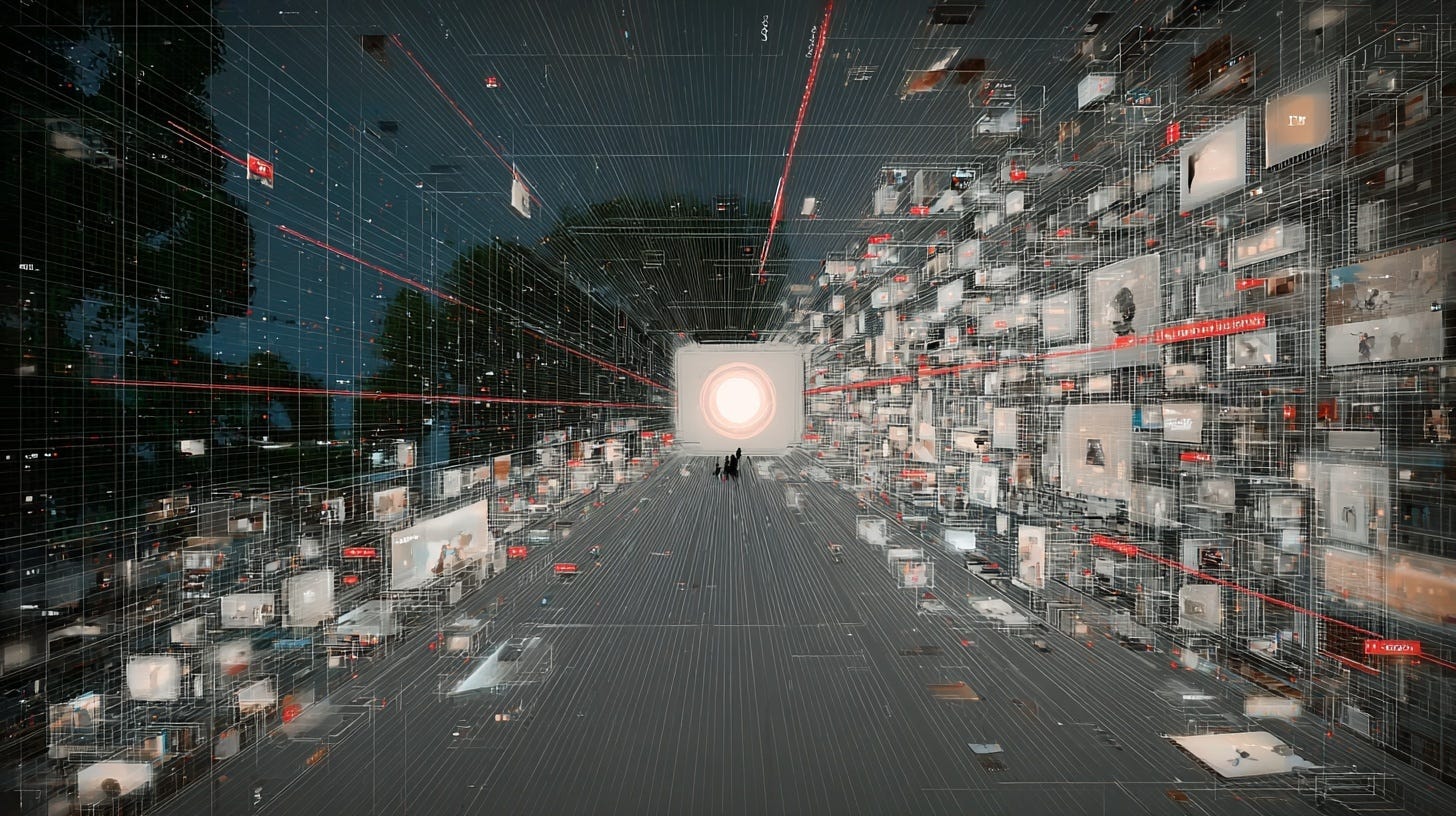
Once you start looking at media through that lens, familiar patterns snap into focus: why the two-second hook became mandatory, why titles and thumbnails started doing narrative work, why vertical video feels like a culture war, and why serious mid-length formats keep getting stranded. It also raises uncomfortable questions about authorship and agency in a world where the format is decided before the idea.
Below, I try and unpack the invisible spec doc every creator learns, the scale mismatch that kills nuance, and the new forms of authorship that fall out of it.
