

Part III ended on a bit of a gap. The control layer can operate without legitimacy, but it cannot be governed without it, and no institution currently constituted can supply what is missing. Gaps like this one do not wait. They fill.
Power that cannot be checked through governance gets consolidated through other means, through acquisition, vertical integration, the absorption of standards bodies, and the merger of operator and adjudicator into entities that own the stack from chip to interface. That much follows from the first three pieces in this series. What this piece adds is recognition. The pattern the series has been describing for three installments has run before in American economic life, more than once, at full scale, with documented endings. The job of this closing piece is to name it and try to put a lens on the version we are currently living through. I am not saying our current fights over control will play out the same one, I am merely pointing to past times as indications of possibilities.
What Fills the Gap
A governance vacuum is not a neutral space. It has a shape, and the shape often favors whoever already holds operational power when the vacuum forms. Consolidation is in and of itself, not a form of a conspiracy and does not require one. It is what operational power does when nothing constrains it, because every incentive points the same direction. Owning the layer below you removes a dependency. Owning the layer above you removes a customer’s alternatives. Absorbing the standards body removes the specification you didn’t write. Each move is individually rational, defensible in any boardroom, and frequently celebrated by the markets. The aggregate of the moves is a structure no one voted for and no one governs.
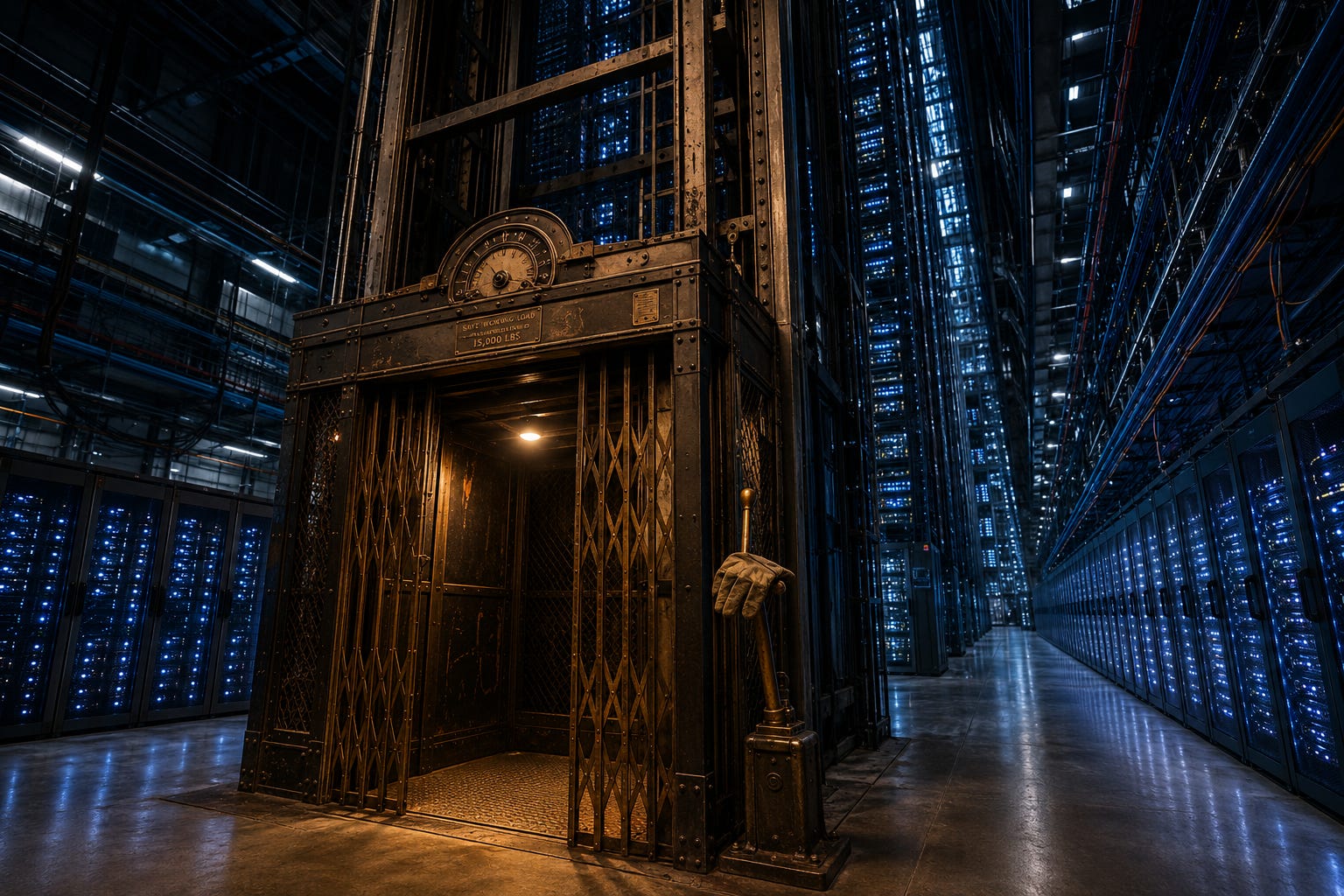
My first three pieces described that structure forming inside the media stack. Production memory concentrating in the platforms that hold it. The credibility chain becoming a position rather than a record. Rule-making migrating to the operators because oversight and governance never formed. Watched piece by piece, it reads as news. Watched whole, it reads as something else, because we have seen it before.
